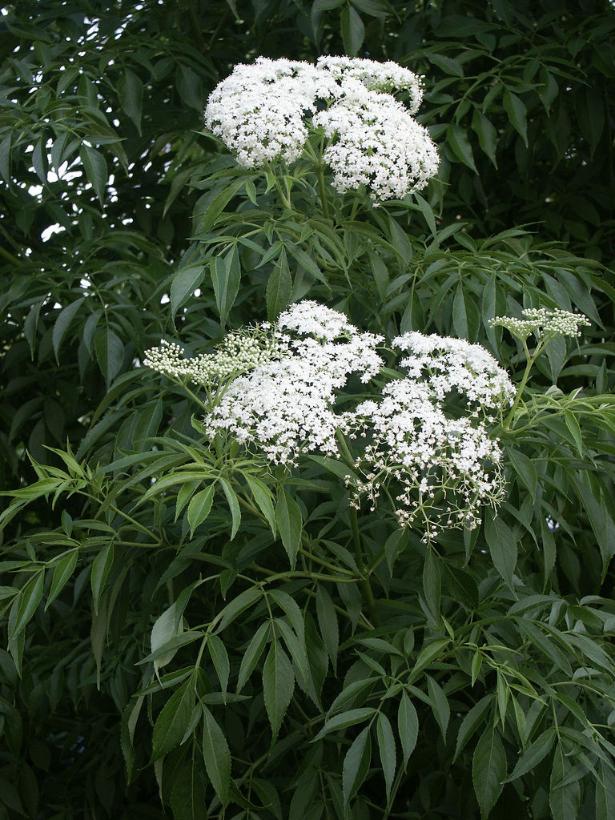


SAMBUCUS CANADENSIS / AMERICAN ELDERBERRY
- Regular price
-
$36.95 CAD - Regular price
-
- Sale price
-
$36.95 CAD
Couldn't load pickup availability
Delivery Fees
Delivery Policy
A delivery fee of $16.95 applies to all orders. Minimum order of $129 is required.
SAMBUCUS CANADENSIS / AMERICAN ELDERBERRY
A Native Shrub with Fragrant Flowers, Edible Berries, and Wildlife Benefits
Sambucus canadensis, commonly known as American Elderberry, is a native deciduous shrub valued for its fragrant white flowers, dark purple edible berries, and ecological importance. Thriving in full sun to partial shade with moist, well-drained soils, American Elderberry is ideal for naturalized landscapes, wildlife gardens, and edible plantings. Its ornamental flowers, fruit, and rapid growth make it a versatile native shrub.
Why Choose American Elderberry?
Fragrant White Flowers: Large clusters attract pollinators in early summer.
Edible Fruit: Produces dark purple berries used for jams, pies, syrups, and wine.
Wildlife Friendly: Flowers and berries support bees, butterflies, birds, and small mammals.
Fast-Growing & Hardy: Establishes quickly and tolerates a range of soil types.
Key Features:
Foliage Color: Medium green, pinnately compound leaves; yellow to orange in fall.
Flower Color: White, fragrant flower clusters in early summer.
Fruit: Dark purple berries in mid to late summer.
Height and Spread: Typically grows 6–12 feet tall and wide.
Hardiness: Hardy to USDA Zones 3–9.
Sunlight: Prefers full sun to partial shade.
Soil Requirements: Moist, well-drained soils; tolerates clay, loam, or sandy soils.
Specifications:
Plant Size: 6–12 feet tall, 6–12 feet wide.
Growth Habit: Upright, multi-stemmed deciduous shrub.
Hardiness: USDA Zones 3–9.
Flowering/Fruiting: Flowers in early summer; berries in mid to late summer.
Fall Interest: Leaves turn yellow to orange in autumn.
Ideal Uses:
Edible Gardens: Harvest berries for jams, pies, syrups, and wine.
Pollinator Gardens: Attracts bees, butterflies, and other beneficial insects.
Wildlife Plantings: Provides food and shelter for birds, pollinators, and small mammals.
Naturalized Landscapes: Fits well in meadows, woodland edges, and restoration projects.
American Elderberry is a fast-growing, ecologically valuable native shrub. Its fragrant flowers, edible fruit, and wildlife benefits make it an excellent choice for naturalized landscapes, edible gardens, and pollinator-friendly plantings.

Care Instructions
Different plants have different watering needs. Check the soil moisture by inserting your finger about an inch into the soil. If it feels dry, water the plant until the water drains from the bottom of the pot. Avoid overwatering, as it can lead to root rot.